




Food and beverage production lines change more often than the buildings that house them, as product formulations, packaging formats, and volume needs shift with market demand. modular cleanroom wall panels give plants a way to reconfigure classified and sanitary zones as those changes happen, without the disruption of demolishing and rebuilding fixed walls each time.
Material choice affects how well that flexibility holds up under real plant conditions. Confirming cleanroom wall material resists both moisture and chemical exposure from daily washdown protects panel performance through repeated reconfiguration cycles, not just on day one.
Surface durability under handling also matters when panels are moved or adjusted. Specifying cleanroom wall cladding with impact-resistant facing reduces the damage that accumulates each time a wall section is repositioned during a line change. Scalability priorities for food and beverage wall systems:
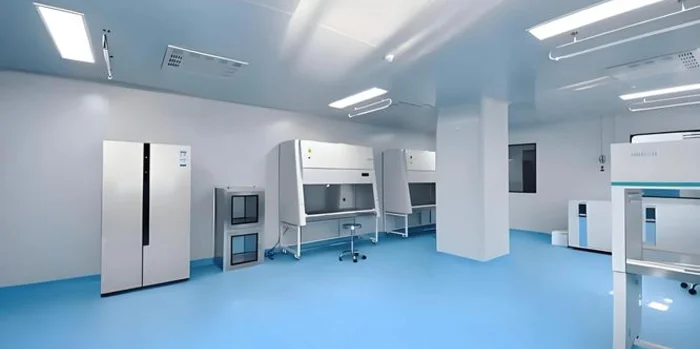
Plants should specify a cleanroom wall material compatible with modular utility connections, so power and sanitation lines can be relocated alongside the walls rather than requiring a full rerouting project each time a layout changes.
Facilities running shared testing space should also confirm laboratory wall panels in adjacent quality labs use matching specifications, simplifying maintenance and giving facilities teams one consistent system to manage across the plant.
For plants prioritizing long-term flexibility, standardizing on a single cleanroom wall panel family across the facility pays off every time a line change or expansion comes up, reducing both the cost and disruption of adapting to new production needs.