




Selecting the right cleanroom wall material for precision instrument and optics manufacturing means balancing particle control, vibration damping, and long-term dimensional stability, since even small material movement over time can affect sensitive alignment-critical processes housed nearby.
Surface finish is one of the most visible differentiators between wall material options. Confirming cleanroom wall cladding resists scratching and surface degradation under repeated cleaning cycles protects both the room's classification and its appearance over the facility's operating life.
Some precision facilities share space with medical device or life sciences programs, making cross-compatible materials useful. Wall systems also marketed as medical lab wall panels often carry the chemical resistance precision facilities need for solvent-based cleaning and coating processes. Evaluation criteria for precision instrument wall material:
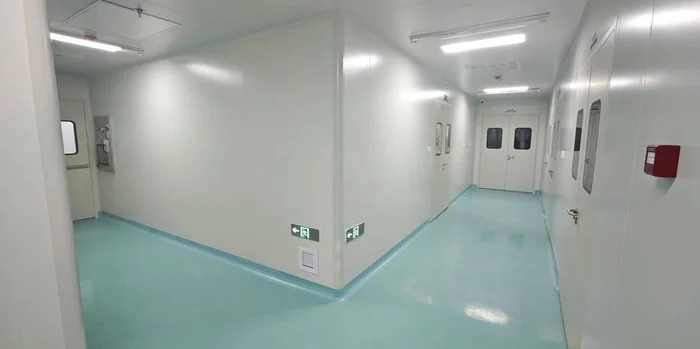
For facilities retrofitting existing space, removable wall panel systems allow precision manufacturers to adjust room configurations as instrument layouts evolve, without the disruption of demolishing and rebuilding permanent walls.
Facilities standardizing on a single wall family should confirm supplier continuity for modular cleanroom wall panels years after the original installation, since discontinued products can complicate future expansions or repairs.
Ultimately, a well-specified cleanroom wall system protects not just the room's cleanliness classification but the long-term accuracy of the precision equipment it houses, making material selection a decision worth the extra diligence upfront.